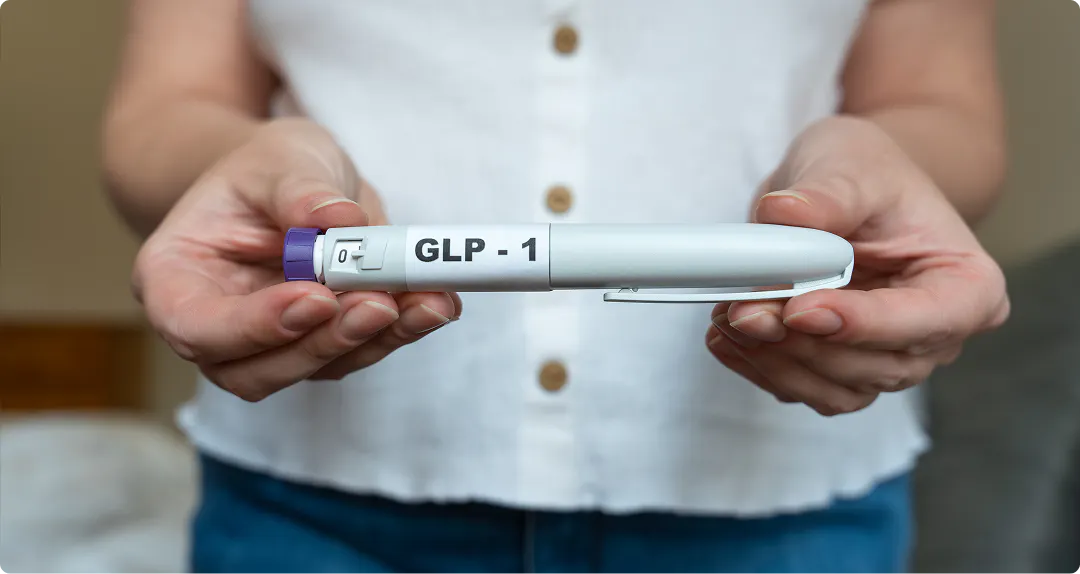


As we enter 2026, Medicare Part D participants will see several important changes that could significantly affect their coverage and out-of-pocket costs. These reforms, primarily driven by the Inflation Reduction Act (IRA), are designed to make prescription drugs more affordable and ensure that seniors can better manage their healthcare costs. Here’s an overview of the key changes and what you can expect this year.
$2,100 Out-of-Pocket Spending Cap
A major change from 2025 is the elimination of the dreaded “donut hole” and the introduction of an annual cap on out-of-pocket spending for prescription drugs. In 2026, once you have spent $2,100 on covered medications, you will no longer have to pay any additional costs for your covered prescriptions for the remainder of the year. This reform is aimed at providing much-needed relief for those facing high drug costs, particularly seniors who rely on expensive medications.
Medicare Part D has three main phases:
Deductible Period: During this phase, you must pay the full negotiated price for your drugs until you meet your deductible. For 2026, the maximum deductible is capped at $615, though some plans may have no deductible at all.
Initial Coverage Period: After reaching your deductible, you move into this phase where both your Part D plan and you share the costs of your prescriptions. This period ends when your total drug costs (including the deductible and what you’ve paid so far) reach $2,100.
Catastrophic Coverage: Once you hit the $2,100 cap, you enter the catastrophic coverage phase, where you pay nothing for your covered drugs for the rest of the year.
It’s important to note that your plan will track your out-of-pocket expenses, and this information should be reflected in your monthly statements.
Medicare Prescription Payment Plan
Another option in 2026 is the Medicare Prescription Payment Plan. This plan allows individuals with high out-of-pocket prescription drug costs to spread their payments throughout the year. Instead of paying for prescriptions all at once at the pharmacy, you can make monthly payments, easing the financial burden of expensive medications. However, this option may not be suitable for those already receiving Extra Help or Medicare Savings Programs, or for individuals with low medication costs.
While the program doesn’t change the cost of medications, it offers flexibility in managing payments, making it easier for seniors to budget and plan for medication expenses.
Inflation Reduction Act: Lower Drug Prices
The Inflation Reduction Act (IRA) continues to reshape Medicare's approach to prescription drug pricing. Medicare has negotiated directly with pharmaceutical manufacturers to lower the prices of widely used medications. This is a significant step toward making prescription drugs more affordable for Medicare beneficiaries.
The first set of drugs that have been negotiated with lower prices for 2026 include:
- Eliquis
- Enbrel
- Entresto
- Farxiga
- Fiasp (and related products like NovoLog)
- Imbruvica
- Januvia
- Jardiance
- Stelara
- Xarelto
Another 15 drugs are being negotiated and are expected to have lower prices effective in 2027:
- Austedo, Austedo XR
- Breo Ellipta
- Calquence
- Ibrance
- Janumet, Janumet XR
- Linzess
- Ofev
- Otezla
- Ozempic, Rybelsus, Wegovy
- Pomalyst
- Tradjenta
- Trelegy Ellipta
- Vraylar
- Xifaxan
- Xtandi
These negotiated prices are expected to result in significant savings for beneficiaries. Over time, more drugs will be added to the list of negotiated medications, with the number of drugs growing each year, offering long-term relief for seniors who rely on expensive prescription medications.
The changes to Medicare Part D in 2026, especially the $2,100 out-of-pocket cap, the removal of the donut hole, and the introduction of drug price negotiations, will significantly lower costs and provide more predictable drug expenses for seniors. Understanding these changes will help Medicare beneficiaries better navigate their plans and manage healthcare costs effectively in the coming year.
Additional Resources
- KFF.org: Inflation Reduction Act Medicare Drug Price Negotiation Program
- ClearMatch: Find a Plan